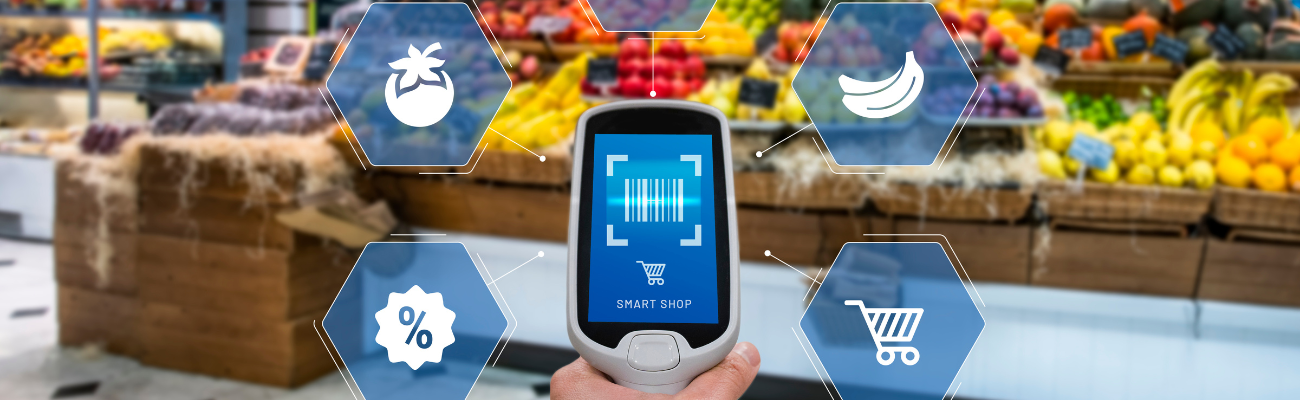
The food industry stands at the edge of a technological revolution. With global challenges like food waste, labor shortages, and rising consumer demands for personalization and safety, Artificial Intelligence (AI) is emerging as a game-changer. This post dives into how AI is not just a futuristic concept but a present-day force reshaping how we produce, distribute, and consume food. Whether you’re a food tech entrepreneur, manufacturer, or curious consumer, understanding this transformation is key to staying ahead in a rapidly evolving market.
AI Across the Food Ecosystem
- Precision Agriculture and Smart Farming: AI-powered drones, IoT sensors, and machine learning algorithms are enabling farmers to optimize irrigation, detect pests early, and predict crop yields with up to 95% accuracy. This micro-level management reduces chemical use and boosts sustainability.
- Supply Chain Optimization: AI is streamlining logistics with predictive analytics, autonomous agents, and smart data capture. Companies using AI report up to 40% reduction in unplanned downtime and 30% better defect detection in manufacturing.
- Food Safety Innovations: AI is transforming food safety through real-time contaminant detection, predictive modeling, and automated compliance systems. Nestlé, for example, reduced manual checks by 80% using AI-powered vision systems.
- Personalized Nutrition and Consumer Experience: Apps like SNAQ predict glucose responses before meals, while platforms like Spoon Guru tailor dietary recommendations using AI. Restaurants are also using AI for dynamic menus and personalized marketing.
- Smart Kitchens and Robotics: Robotic chefs like Flippy 2 are already operating in fast-food chains, cooking with 95% accuracy and reducing workplace injuries. AI is also powering voice assistants and chatbots for seamless ordering and customer service.
The AI-driven foodtech market is projected to grow at a staggering 34.5% annually, reaching $27.73 billion by 2029. With half of food companies already investing in AI, the transformation is not optional—it’s inevitable.